

Southill Vets' news & pet care advice
To help you keep your pet happy and healthy, we update our news and free pet care advice regularly. Discover seasonal and local pet care tips, as well as preventative advice and topical articles below.
You can receive our news & advice direct to your inbox each month when you
Sign up to our email newsletter
If you have a specific query, you can always contact our friendly reception team.

Can Cats, Dogs and Rabbits Get Sunburned? Southill Vets Explains
Our experts explain how to protect your pets from UV rays and pavement burns this summer.

Planning a UK Holiday with Your Dog? Tips From Vets in Wincanton
Planning a UK holiday with dogs? Vets share tips on travel, accommodation, and keeping your pet safe

Shaving Pets for Summer: What Vets Actually Recommend
Wincanton vets share advice on shaving pets and safe ways to keep them cool this summer
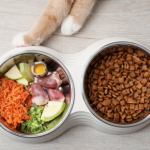
What is A Healthy Pet Weight for Summer in Wincanton
Top tips from our vets on how to beat the heat and keep your pet a healthy weight in the warmer months.

Bob O’Brien Explains the Key Milestones in Your Pet’s Life
Top tips from our vet on navigating your pet’s changing needs and caring for pets at every age.
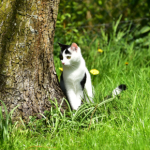
How to Combat Cat Worms
Tips from our team at Southill Vets on protecting your cat from intestinal worms. Don’t wait for symptoms to occur.

Busy Parks? 5 Tips for a Better Dog Walk
For spring walks in Wincanton without the chaos, check out these 5 must-know tips from our team.

My Pet Promise: Teaching Kids About Caring for Small Pets
Growing up with small furry friends — read Southill Vets’ tips for young owners.

Got a Question About Dog or Cat Care This Spring?
Our Vet Bob O’Brien answers your common spring pet health questions for dogs and cats.
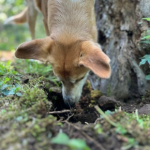
Worms Worries: How to Keep Dogs in Wincanton Safe
Learn about the different types of worms, how they are contracted, and why preventing them is key.


