
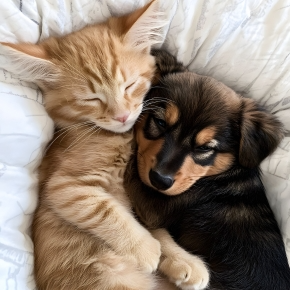
Create a Warm Environment for Young Pets with Southill Vets
November 10, 2025
Puppies and kittens are bundles of joy, but they’re also incredibly vulnerable during their first few months of life. As winter approaches, these tiny companions face unique challenges that require special attention from devoted pet parents. Understanding their specific needs can mean the difference between thriving and merely surviving the colder months.
Got a new puppy or kitten? Register your pet with us at Southill Vets and then book a check-up with our vets in Wincanton.
Book a puppy or kitten check-up
Why young pets struggle with the cold
Very young animals haven’t yet developed the ability to regulate their body temperature effectively. Unlike adult pets, puppies and kittens under twelve weeks old lack sufficient body fat and muscle mass to generate adequate heat. Their small size means they lose warmth rapidly, whilst their immature nervous systems struggle to trigger appropriate responses to cold stress.
Additionally, young pets spend considerably more time sleeping than adults – up to twenty hours daily – making them particularly susceptible to becoming chilled whilst resting.
Creating the perfect warm environment
Our vets at Southill Vets advise that temperature consistency is crucial for young pets. Maintain indoor temperatures between 21-24°C, avoiding draughty areas near doors, windows, or air vents. Use a reliable thermometer to monitor conditions, as what feels comfortable to humans might still be too cold for tiny pets.
Provide multiple warm sleeping options throughout your home. Heated pet beds designed for young animals offer safe, consistent warmth, whilst fleece blankets and washable bedding allow for frequent cleaning – essential given young pets’ tendency towards accidents. Consider setting up a designated “warm room” where your pet can retreat when feeling chilly, equipped with their favourite bedding and toys.
Outdoor adventures and limitations
Young pets shouldn’t venture outdoors in Wincanton until they’ve completed their vaccination course, typically around twelve to sixteen weeks. When they are able to go outside, youngsters need careful cold weather management:
- Limit outdoor exposure to brief toilet breaks during harsh weather.
- Watch for signs of distress including shivering, lethargy, or reluctance to move and bring them inside immediately if these occur.
- Invest in appropriately sized puppy or kitten clothing for outdoor excursions around Wincanton. Ensure garments fit properly without restricting movement or circulation.
Nutrition for warmth and growth
Young pets require significantly more calories per pound than adults, partly to fuel their rapid growth and partly to maintain body temperature. Feed high-quality puppy or kitten food as directed by our vets, offering smaller, frequent meals rather than one or two large portions.
Fresh water should always be available, but ensure it’s not ice-cold, which can further chill small bodies. We offer more advice and support as part of our services, why not book an appointment today?
Recognising warning signs
Monitor your young pet closely for hypothermia symptoms: excessive shivering, weakness, shallow breathing or extremely cold ears and paws. Severe cases may present with muscle stiffness or loss of consciousness. This requires immediate veterinary attention so contact our veterinary practice in Wincanton straight away!
Safety beyond temperature
Young pets are naturally curious but lack the experience to recognise dangers. Keep them away from fireplaces, space heaters, and heated surfaces that could cause burns. Ensure all warming devices are pet-safe and cannot be chewed or knocked over.
With proper preparation and vigilant care, your tiny companion will grow into a healthy, happy adult ready to enjoy many winters ahead.
If you’re welcoming a new puppy or kitten, contact us to register them and book a check-up with our vets at Southill Vets.


